

Digital marketing has become more competitive as businesses fight for consumer attention online. Traditional advertisements and static promotional campaigns are often no longer enough to keep audiences engaged for long periods. As a result, even the best marketing company on the Gold Coast is now turning to gamification as part of their marketing strategy. Gamification involves adding game-like elements such as rewards, points, challenges, badges, and interactive experiences into digital campaigns. These features encourage participation and create more engaging customer interactions. Understanding why businesses increasingly use gamification helps explain how digital marketing is evolving to match changing consumer behavior and online expectations.
Increasing Customer Engagement
One major reason businesses use gamification is to improve customer engagement. Many consumers quickly lose interest in repetitive advertisements or passive online experiences. Interactive features help capture attention more effectively by encouraging users to participate rather than simply observe content. Quizzes, spin-to-win promotions, achievement systems, and interactive challenges often keep users engaged longer than standard advertisements. Higher engagement levels can increase customer interaction with websites, apps, and digital campaigns.
Improving Brand Interaction
Many companies now want customers to experience their brand actively rather than passively viewing advertisements. Gamification creates opportunities for more memorable interactions between businesses and consumers. Interactive campaigns often feel more entertaining and personal compared to traditional marketing formats. People tend to remember experiences that involve participation, competition, or achievement more clearly than standard advertisements. This stronger interaction can improve customer perception and increase brand recognition over time.
Encouraging Repeat Participation

Gamification often motivates users to return repeatedly to digital platforms. Reward systems, progress tracking, and achievement-based incentives encourage ongoing participation over time. Customers may revisit websites or applications to complete challenges, unlock rewards, or continue progress within loyalty systems. This repeated interaction helps businesses maintain stronger visibility and customer retention. Long-term engagement has become increasingly important in highly competitive digital markets.
Influencing Consumer Motivation
Gamification uses psychological triggers connected to rewards, progress, and accomplishment. Small achievements or incentives often encourage users to continue interacting with a platform. Points systems, leaderboards, and reward milestones can create feelings of motivation and progress during customer experiences. These systems may influence purchasing behavior by encouraging users to spend more time exploring products or completing actions connected to rewards. Businesses increasingly recognize how motivation-based design can affect digital consumer behavior.
Supporting Data Collection

Gamified campaigns also help businesses gather customer insights more effectively. Interactive activities often encourage users to provide information voluntarily during participation. Quizzes, surveys, and reward programs may reveal customer preferences, interests, and purchasing habits. This information helps businesses personalize future marketing campaigns and improve customer targeting strategies. Data-driven marketing has become an important advantage in modern digital business environments.
Adapting to Modern Consumer Expectations
Modern consumers often expect digital experiences to feel interactive, fast, and entertaining. Social media, mobile gaming, and interactive applications have influenced how people respond to online content. Businesses increasingly compete not only through products but also through digital experience quality. Gamification helps brands create experiences that feel more dynamic and engaging within crowded online spaces. As attention spans shorten online, interactive marketing methods continue gaining importance across industries.
More businesses are using gamification in digital marketing because interactive experiences often attract stronger engagement and customer participation than traditional advertising alone. Reward systems, challenges, and achievement-based features encourage users to interact more actively with brands online. Gamification also supports customer retention, data collection, and long-term brand visibility in increasingly competitive digital environments. Businesses recognize that modern consumers often respond more positively to experiences that feel engaging and rewarding. As digital marketing continues evolving, gamification will likely remain an important strategy for improving online interaction and strengthening customer relationships. Interactive marketing experiences are becoming a major part of how brands connect with modern audiences.…
 The first step in prioritization is assessing the severity of a threat and its likelihood of occurring. Cybersecurity providers analyze indicators such as attack method, target type, and historical success rates. A threat exploiting a known vulnerability with active attacks ranks higher than a theoretical risk with no real-world activity. Providers also consider potential impact, including data exposure, system downtime, or financial loss. By weighing severity against likelihood, teams focus attention where it matters most, reducing reaction time and preventing resources from being spread too thin across low-risk events.




 Servers degrade. Routers overheat. Hard drives give out, often with no warning. A lot of downtime disasters start with hardware that’s been neglected or stretched too far. That’s why regular inspections and lifecycle tracking matter. Scheduled checkups help catch overheating processors, maxed-out memory, and storage risks before they cause a meltdown. It’s not just about keeping the lights on, it’s about avoiding that slow, silent creep toward failure.

 Screen time has become a staple in children’s and teens’ lives. It offers both opportunities and challenges. On the positive side, digital devices can enhance learning. Educational apps and videos make complex topics more accessible. They also foster creativity through platforms for art, music, and storytelling. Social interaction is another significant benefit. Children connect with friends globally, sharing experiences that enrich their understanding of diverse cultures.






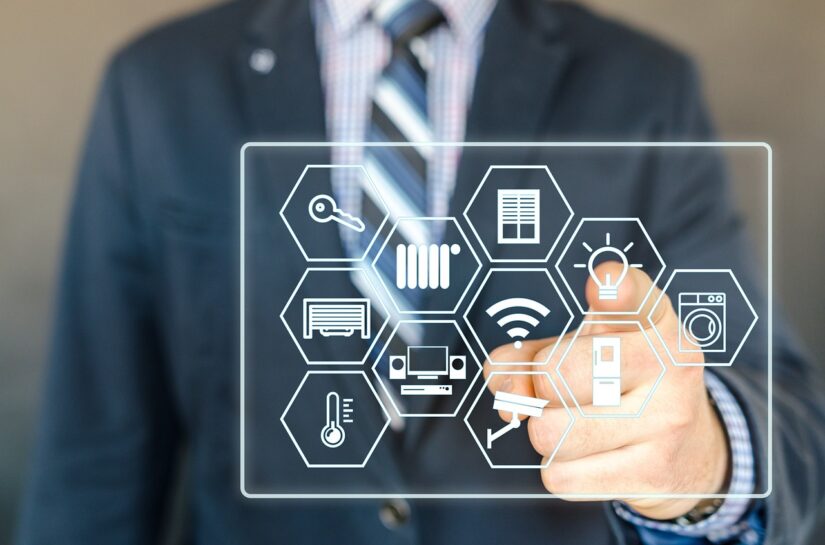
 Privacy is a fundamental human right and essential for maintaining control over our personal information. With the rise of smart devices, including displays, the amount of data being collected about individuals has increased significantly. This can include everything from search history to voice commands and even video recordings. As such, it is crucial to consider privacy concerns when using smart displays.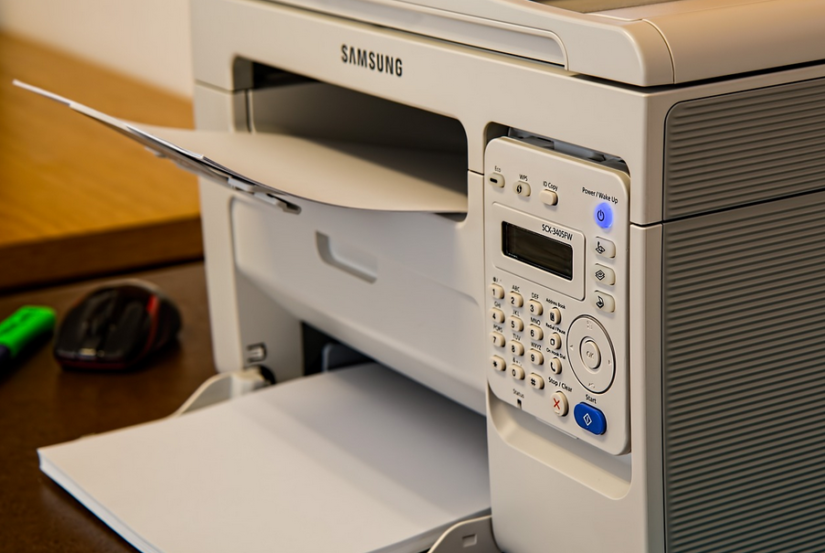
 When choosing the right printer, there are several aspects to look at. Foremost, determine whether you need a printer for personal or professional use. For home printing needs, an inkjet printer may suffice, offering vibrant colors and affordability. If your business requires high-volume printing with sharp text quality, a laser printer might be more suitable.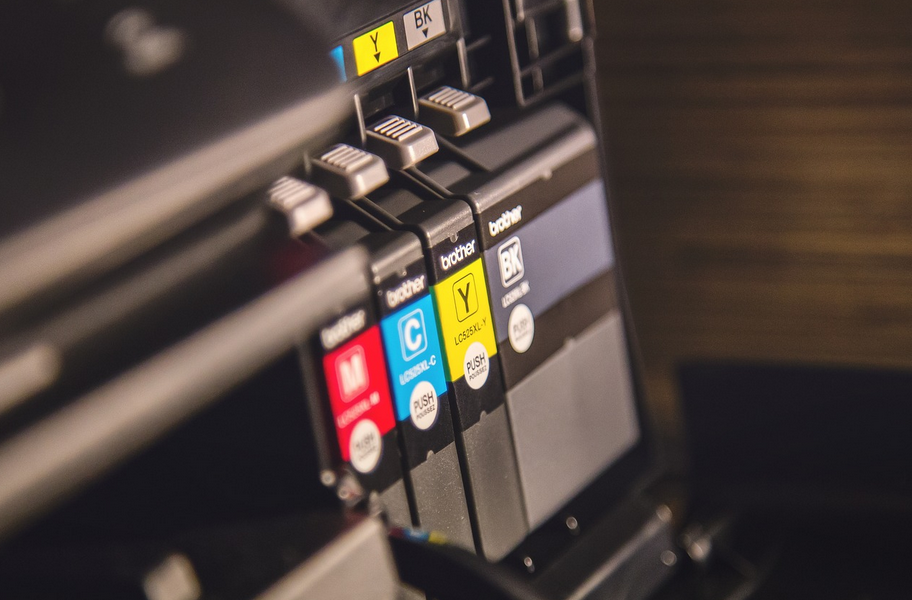
 Owning a printer can be convenient and

 To optimize sound quality, consider the following tips:


 Not all staff members have the same level of risk exposure or responsibility regarding cyber security. To ensure your training is effective, it’s important to tailor it to the specific needs of different job roles within your organization. For example, employees who handle sensitive data or access critical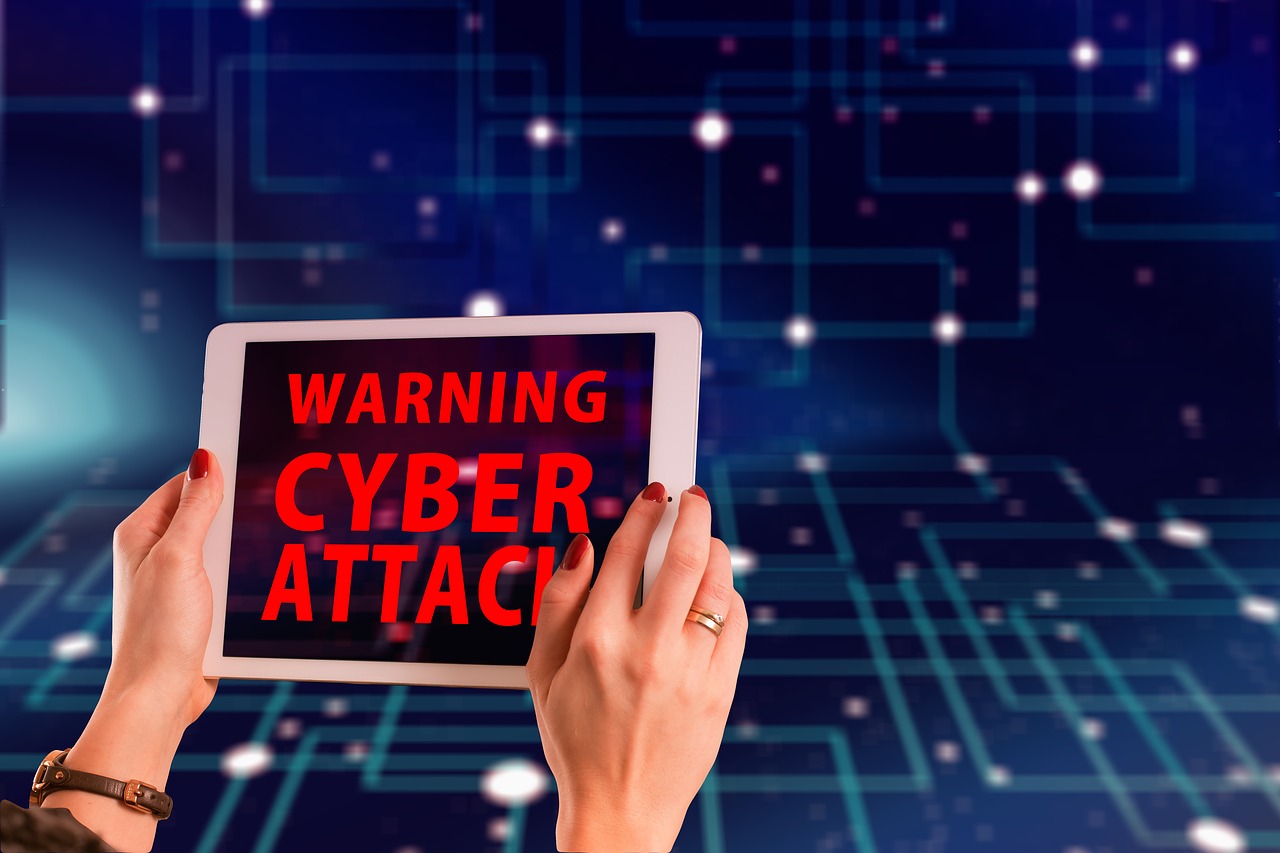
 So, how does malware protection work? Well, it all starts with a scan. When you install malware protection on your site, it will scan your site for any malicious code. If any is found, it will attempt to block the code from running. In some cases, it may also remove the malware entirely. It can help protect your site from damage, and it can also help improve your site’s performance. Once the scan is complete, the malware protection will attempt to block any new malicious code introduced. It can be done by matching the code against a database of known malware. If a match is found, the code will be blocked from running. It can help protect your site from new threats, and it can also help improve your site’s performance.
 Automated SMS messaging allows for fewer mistakes. However, with manual distribution, there’s always a risk of human error. You can send the message to the wrong person or address, or they may not be delivered at all. Automated messaging eliminates this risk by ensuring that each message is delivered accurately and on time. This means that you can rest assured knowing that your message will reach its intended recipient every time. Additionally, automated messages often contain pre-defined templates which allow you to create and send messages quickly and easily.
 Automated SMS messaging can also be used to increase customer loyalty. When customers feel appreciated or valued, they are more likely to remain loyal to your brand. Automated messages allow you to send your customer’s personalized messages that show that you care about them and their experience with your business. Customers appreciate automated messages because they feel like they receive individual attention, even though they may be part of a larger group.
 Bills and expenses can tone up your pockets but when you want a faster laptop then saving will not be an issue. You will resort to saving a few bucks with your bank account or a safer investment plan. Save a certain amount each month and always check for the balance with time.