

Music has always been shaped by technology—from vinyl records to streaming platforms. But artificial intelligence (AI) is taking things to a whole new level. Today, it’s not just about how we consume music, but how it’s created in the first place. From AI-generated compositions to personalized playlists that know your mood better than you do, AI is reshaping the entire music experience. Let’s dive into how this powerful technology is changing both sides of the audio equation: creation and consumption.
AI Is Becoming a Collaborator in Music Creation
Artificial intelligence is no longer just a tool; it’s turning into a creative partner. Artists and producers are using AI to co-write songs, generate melodies, and even mimic voices. The technology analyzes massive datasets of existing music to understand patterns, genres, and emotions—then applies that knowledge to produce original content. In fact, some AI systems can now compose music in the style of famous artists who are no longer with us. Interest in classic folk music, for instance, has seen a resurgence, leading some to explore stories like stan rogers death, which has inspired AI recreations of similar vocal and instrumental styles. Rather than replacing human creativity, AI is opening up new avenues for experimentation and genre blending.
AI Is Tailoring Your Listening Experience
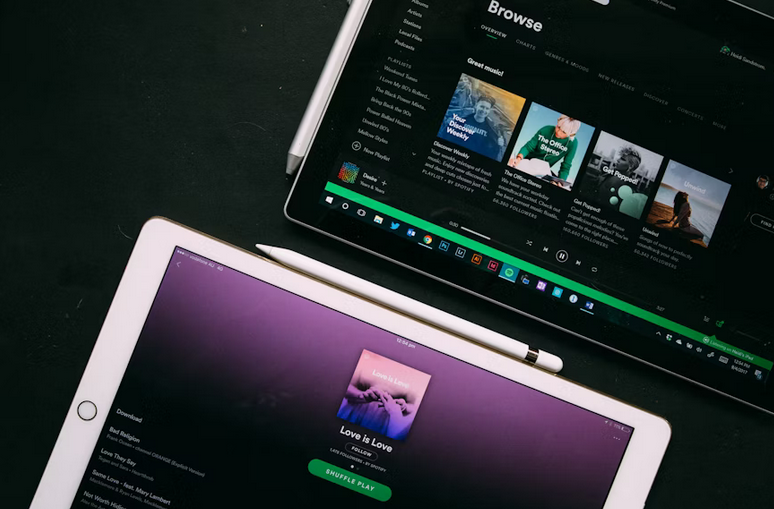
If you’ve ever marveled at how Spotify or Apple Music seems to “get” your taste in music, thank AI. These platforms use machine learning algorithms to analyze your listening habits—down to the time of day you play certain tracks—and recommend songs accordingly. The more you listen, the smarter the algorithm becomes. It’s no longer just about genre; it’s about mood, tempo, and even lyrical content. This shift toward hyper-personalization is changing how we discover new artists and deepening our emotional connection with the music we already love.
Music Production Becomes Faster—and Sometimes Better
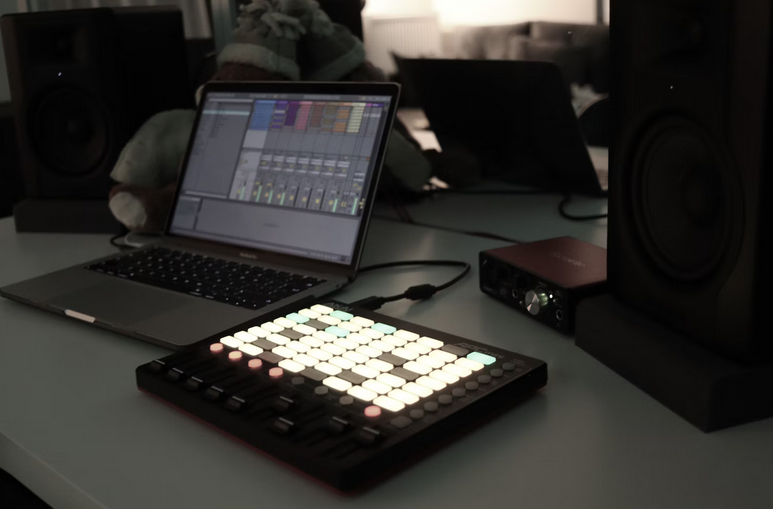
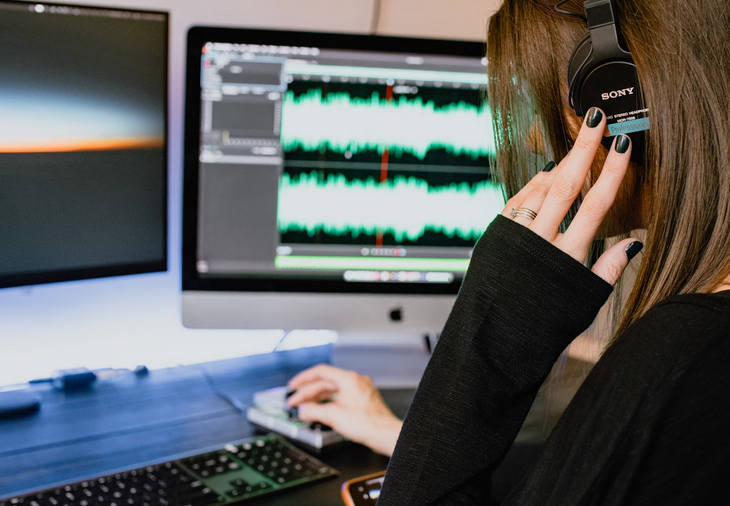
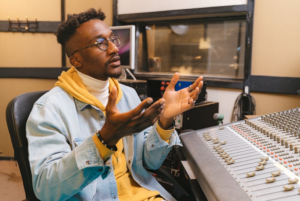
Producing a track used to take days, sometimes weeks. Now, with AI-powered tools, producers can mix and master songs in a fraction of the time. Some AI plugins analyze audio in real-time and automatically suggest EQ settings, effects, and mastering tweaks. This is especially valuable for independent artists who don’t have access to high-end studios. While some purists may argue that automation takes the soul out of music, many musicians see it as a way to enhance their creativity and focus on what truly matters: the music itself.
AI Revives Lost Sounds and Forgotten Genres

One of the more surprising uses of AI in music is in musical restoration and preservation. AI can clean up old, poor-quality recordings or even regenerate lost parts of a song. This has breathed new life into early jazz, folk, and classical music. In some cases, AI has helped revive forgotten genres by studying old compositions and generating new ones in a similar style. These advancements are not just nostalgic—they’re educational, offering new generations access to rich musical histories they might otherwise never hear.
AI Brings Ethical Questions to the Forefront
With all these innovations come new challenges. Who owns a song composed by an AI? What happens when an AI-generated voice sounds exactly like a real artist? These questions are sparking debates across the music industry and among legal experts. There’s also concern about how AI could lead to a flood of generic or soulless music, prioritizing algorithms over artistry. As technology matures, artists, developers, and fans will need to collaborate to ensure that AI enhances, rather than dilutes, the human experience of music.
AI is undeniably changing the way we create and listen to music. It’s speeding up production, customizing our playlists, reviving lost art, and even helping artists push creative boundaries. But like any powerful tool, its impact depends on how we use it. As long as we keep the human spirit at the center of the process, AI could be the key to an exciting new era in music.…


 To optimize sound quality, consider the following tips: