
How AI Is Changing the Way We Create and Listen to Music

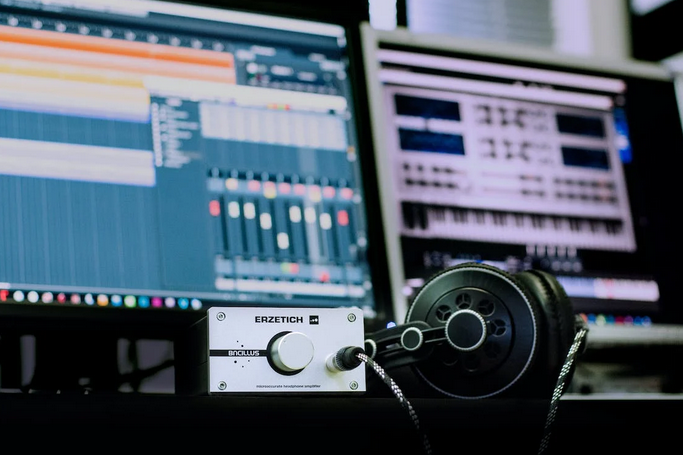
Music has always been shaped by technology—from vinyl records to streaming platforms. But artificial intelligence (AI) is taking things to a whole new level. Today, it’s not just about how we consume music, but how it’s created in the first place. From AI-generated compositions to personalized playlists that know your mood better than you do, AI is reshaping the entire music experience. Let’s dive into how this powerful technology is changing both sides of the audio equation: creation and consumption.

AI Is Becoming a Collaborator in Music Creation

Artificial intelligence is no longer just a tool; it’s turning into a creative partner. Artists and producers are using AI to co-write songs, generate melodies, and even mimic voices. The technology analyzes massive datasets of existing music to understand patterns, genres, and emotions—then applies that knowledge to produce original content. In fact, some AI systems can now compose music in the style of famous artists who are no longer with us. Interest in classic folk music, for instance, has seen a resurgence, leading some to explore stories like stan rogers death, which has inspired AI recreations of similar vocal and instrumental styles. Rather than replacing human creativity, AI is opening up new avenues for experimentation and genre blending.

AI Is Tailoring Your Listening Experience

music

If you’ve ever marveled at how Spotify or Apple Music seems to “get” your taste in music, thank AI. These platforms use machine learning algorithms to analyze your listening habits—down to the time of day you play certain tracks—and recommend songs accordingly. The more you listen, the smarter the algorithm becomes. It’s no longer just about genre; it’s about mood, tempo, and even lyrical content. This shift toward hyper-personalization is changing how we discover new artists and deepening our emotional connection with the music we already love.

Music Production Becomes Faster—and Sometimes Better

Producing a track used to take days, sometimes weeks. Now, with AI-powered tools, producers can mix and master songs in a fraction of the time. Some AI plugins analyze audio in real-time and automatically suggest EQ settings, effects, and mastering tweaks. This is especially valuable for independent artists who don’t have access to high-end studios. While some purists may argue that automation takes the soul out of music, many musicians see it as a way to enhance their creativity and focus on what truly matters: the music itself.

AI Revives Lost Sounds and Forgotten Genres

music

One of the more surprising uses of AI in music is in musical restoration and preservation. AI can clean up old, poor-quality recordings or even regenerate lost parts of a song. This has breathed new life into early jazz, folk, and classical music. In some cases, AI has helped revive forgotten genres by studying old compositions and generating new ones in a similar style. These advancements are not just nostalgic—they’re educational, offering new generations access to rich musical histories they might otherwise never hear.

AI Brings Ethical Questions to the Forefront

With all these innovations come new challenges. Who owns a song composed by an AI? What happens when an AI-generated voice sounds exactly like a real artist? These questions are sparking debates across the music industry and among legal experts. There’s also concern about how AI could lead to a flood of generic or soulless music, prioritizing algorithms over artistry. As technology matures, artists, developers, and fans will need to collaborate to ensure that AI enhances, rather than dilutes, the human experience of music.

AI is undeniably changing the way we create and listen to music. It’s speeding up production, customizing our playlists, reviving lost art, and even helping artists push creative boundaries. But like any powerful tool, its impact depends on how we use it. As long as we keep the human spirit at the center of the process, AI could be the key to an exciting new era in music.…

How Technology Enhances Chord Progression Creation

Music has always been a canvas for creativity, but the tools we use to paint that canvas are evolving. Technology is reshaping how musicians approach chord progressions, offering new ways to explore and innovate. The use of chord progression generator is one example. Gone are the days when inspiration was solely reliant on traditional methods. Today, artists can harness cutting-edge applications and software to enhance their compositions like never before.

Imagine having the ability to experiment with countless variations at your fingertips or tapping into AI-driven solutions that understand musical theory better than most beginners. With technology as an ally, every musician—from budding songwriters to established composers—can push boundaries and discover fresh sounds. Let’s dive deeper into how this digital revolution enhances chord progression creation, transforming ideas into melodies with ease and excitement.

Flexibility and Control

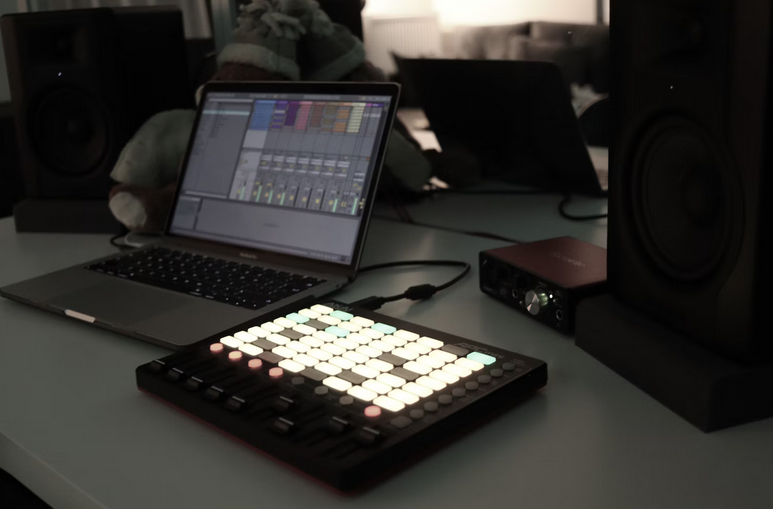
The modern musician thrives on flexibility. Technology provides an unprecedented level of control over every aspect of music creation, especially in chord progressions. Gone are the days when artists were confined to their instruments. Digital audio workstations (DAWs) allow for real-time manipulation and experimentation, giving musicians instant feedback on changes. With a few clicks, you can transpose chords, change keys, or modify timings without losing the essence of your composition. This adaptability invites spontaneity into the creative process. Musicians can layer sounds seamlessly or adjust dynamics with precision.

AI-Powered Composition Tools

AI-powered composition tools are transforming the way musicians create. These innovative platforms analyze vast libraries of music to generate unique chord progressions tailored to your style. Imagine having an intelligent assistant that understands your preferences and influences. With just a few clicks, you can receive suggestions that inspire new melodies or harmonies. These tools don’t replace creativity; they enhance it. By providing fresh perspectives, they encourage musicians to step outside their comfort zones. This opens doors to unexpected sounds and ideas.

Smart Music Theory Apps

Smart Music Theory Apps

Smart music theory apps have revolutionized how musicians approach composition. These tools provide instant access to a wealth of information, from basic chords to advanced harmonic structures. With interactive features, users can explore scales and progressions at their own pace. It’s like having a personal tutor in your pocket. Many apps also include ear training exercises that sharpen listening skills—vital for any composer. The best part? They often feature visual aids that simplify complex concepts. Chord charts, scale diagrams, and even animated tutorials make learning engaging.

Enhanced Creativity With Plug-ins

Plug-ins have revolutionized the way musicians approach chord progression creation. They offer an array of tools that can trigger inspiration at any moment. With just a few clicks, you can transform simple chords into rich soundscapes. These tools often come with built-in presets that spark new ideas. You might find unexpected harmonies or unique rhythms you wouldn’t normally consider. It’s like having a collaborative partner who nudges you toward creativity. Moreover, many plug-ins allow for customization, letting users tweak sounds to fit their vision perfectly.

Experimentation Across Genres

Experimentation Across Genres

The beauty of technology lies in its ability to bridge genres. Musicians can explore sounds that once felt unattainable. A jazz chord can effortlessly blend with a hip-hop beat, creating fresh musical landscapes. Digital platforms allow for easy collaboration. Artists from different backgrounds can merge their styles. This cross-pollination results in innovative compositions that challenge traditional boundaries. Experimentation isn’t just about mixing genres; it’s also about breaking norms. With tools like MIDI controllers and loop stations, musicians can manipulate chords like never before.

Technology has transformed the landscape of music creation in remarkable ways. With tools that enhance flexibility and control, musicians can explore new horizons in their work. AI-powered composition tools provide fresh ideas and unique insights, while smart music theory apps demystify complex concepts. The journey of creating music has never been more exciting or accessible. Embracing these technological innovations not only enriches the creative process but also empowers artists to express themselves like never before. The future is bright for those willing to experiment and adapt to this ever-evolving musical landscape.…

Coolest Tech Features You Didn’t Know You Needed on Your Car

When you think about car tech, what comes to mind? Perhaps Bluetooth connectivity or a fancy sound system. You might even think about the 2007 crv oil capacity detector that connects to your display monitor. But today’s vehicles offer so much more than just the basics.

The automotive industry has evolved immensely, introducing innovative features that enhance safety, comfort, and overall driving experience. These cool tech advancements may not be on your radar yet, but they could change how you interact with your vehicle entirely. Imagine having a co-pilot who guides you through traffic and keeps an eye on your well-being. From satellite-linked navigation systems to advanced driver assistance tools, a treasure trove of technology is waiting for exploration.

Satellite-Linked Navigation System With Voice Recognition

Imagine cruising down the highway, hands on the wheel, while your car does the navigational heavy lifting. A satellite-linked navigation system with voice recognition transforms how you travel. With just a few voice commands, you can reroute to avoid traffic or find the nearest gas station without taking your eyes off the road. This feature uses real-time data from satellites to provide accurate directions and updates on road conditions. The beauty lies in its intuitive interface. No more fumbling with touchscreens or distracting buttons—just simple voice prompts that keep you focused on driving safely.

Crash Detection

Crash detection technology is rapidly transforming vehicle safety. This feature uses sensors and algorithms to monitor driving conditions in real time. When a collision is imminent, the system springs into action. It can automatically tighten seatbelts and prepare airbags before impact. Many advanced systems also notify emergency services instantly. This quick response can be crucial for saving lives. Moreover, some vehicles come equipped with post-collision alerts that keep you connected even after an accident occurs. Imagine being able to communicate your situation without needing to make a call—it’s all handled seamlessly by the car’s tech.

monitor

Car Drowsiness Detectors

Using sensors and cameras, these detectors can detect signs of drowsiness, such as erratic steering or prolonged blinking, the system springs into action. You’ll often hear an alert tone or see a visual warning on your dashboard. This gentle nudge can be just what you need to pull over for a break. The technology behind these detectors is impressive. Machine learning algorithms analyze patterns in driving habits, making them more effective over time. Some advanced models even track your facial expressions to gauge fatigue levels accurately. This technology isn’t just about convenience; they’re about saving lives.

Advanced Driver Assistance Systems (ADAS)

But the most revolutionary tech feature used in automobiles is definitely the ADAS. These systems use a mix of sensors, cameras, and radars to enhance vehicle safety and make driving easier. Imagine having a co-pilot who never gets tired or distracted. Features like adaptive cruise control adjust your speed based on traffic patterns. Lane-keeping assist helps you stay centered in your lane, reducing the risk of unintended drifting. Then there’s automatic emergency braking. This feature can detect potential collisions ahead and apply brakes if you don’t react in time. Parking assistance takes away the stress of squeezing into tight spots by guiding you with precise instructions or even parking for you entirely.…

Tips to Consider If You Own a Printer

Technology has become an integral part of our everyday lives for the past decade. We rely on various gadgets and devices to make tasks easier and more efficient. One often overlooked but essential device is the printer.

Whether you own a printer for personal or professional use, it’s crucial to understand how to choose the right one and keep it running smoothly. You’ll also need to know a reliable expert for when you need regular maintenance and repairs. Fortunately, you can rely on HP Printer Repair Services NYC as they are available around the clock to help in case of repairs and restoration services. In this blog post, we will provide you with valuable tips on owning a printer. The information below will help you get the most out of your printer.

Choosing the Right Printer

printersWhen choosing the right printer, there are several aspects to look at. Foremost, determine whether you need a printer for personal or professional use. For home printing needs, an inkjet printer may suffice, offering vibrant colors and affordability. If your business requires high-volume printing with sharp text quality, a laser printer might be more suitable.

Next, think about the specific features you require. Are you looking for wireless connectivity? Do you need a built-in scanner or copier? Consider these functionalities before making your decision. Take into account the cost of replacement consumables such as ink cartridges or toner cartridges. Some printers have more affordable options available on the market compared to others. Researching different brands and models is crucial to find one that meets your requirements. Read reviews from reputable sources and compare specifications side by side.

Maintaining Your Printer

cartridge

Proper maintenance is essential to ensure the longevity and optimal performance of your printer. Here are a few tips to keep in mind for maintaining your printer.

  • Regular Cleaning: Dust, debris, and ink residue can accumulate inside your printer over time, affecting its printing quality. To prevent this, clean the exterior of your printer with a soft cloth. Use compressed air or a small brush to remove dust or debris from the interior components.
  • Check For Firmware Updates: Manufacturers often release firmware updates that address bugs and improve functionality. Stay updated by checking for firmware updates regularly on the manufacturer’s website or through their software utility.
  • Use Genuine Ink Cartridges: While generic ink cartridges may seem like an affordable alternative, they can cause clogging and damage to your printhead over time. Opt for genuine ink cartridges recommended by the manufacturer for best results.
  • Adjust Print Settings: By adjusting print settings such as quality and color density according to your requirements, you can reduce unnecessary ink wastage and save money on printing costs.
  • Store Properly: If you’re not using your printer for an extended period, store it properly in a cool and dry place away from direct sunlight or extreme temperature fluctuations.

By following these simple maintenance tips, you can ensure that your printer continues to deliver high-quality prints while prolonging its lifespan.

Conclusion

epsonOwning a printer can be convenient and cost-effective, but it also features its fair share of responsibilities. By following the tips mentioned above, you can ensure your printer works efficiently and lasts longer. Remember to stay updated with the latest technology trends in printers as they keep evolving rapidly. It will help you stay ahead of the game in terms of efficiency and cost-effectiveness. With care and attention, your trusty device will keep churning out those crucial documents smoothly for years to come.…

Enhance Your Music Production: A Comprehensive Guide for Aspiring Producers

Music production is both an art and a science, involving the process of creating, recording, and refining music to achieve a professional and polished sound. Great music production hinges on key elements such as sound quality, beat creation, and effective mixing and mastering techniques. There is a free sample pack online that you can use to get started. In this blog post, we’ll delve into simple yet effective tips to enhance your music production skills, helping you optimize sound quality and create better beats.

What Is Music Production?

composer

At its core, music production is the process of bringing a musical idea to life. It involves various stages, including songwriting, arranging, recording, editing, mixing, and mastering. The ultimate goal is to create a final product that sounds great and captures the listener’s attention.

Key Elements of Great Music Production

To create outstanding music, it’s essential to focus on the following elements:

  • Sound Quality: The overall audio quality of your tracks plays a crucial role in how listeners perceive your music.
  • Beat Creation: Unique and catchy beats can make your music stand out and engage your audience.
  • Mixing and Mastering: These processes ensure that your tracks have the right balance and polish, giving them a professional touch.

Now that we’ve covered the basics, let’s dive into practical tips to improve your music production skills.

Tips to Enhance Your Music Production

1. Invest in High-Quality Gear

Your music production journey starts with the right gear. Investing in high-quality equipment, such as a reliable audio interface, studio monitors, and a professional-grade microphone, can significantly improve your recordings’ sound quality. While these items may come with a higher price tag, the improvement in sound quality will be well worth the investment.

2. Choose the Right Software

With countless software options available on the market, it can be overwhelming to determine which ones are worth using in music production. To achieve great sound quality, focus on acquiring software to enhance your recordings in key areas such as equalization, compression, reverb, and noise reduction.

3. Learn Professional Techniques

Taking the time to study and master professional music production techniques can significantly elevate your sound quality. Some important skills to develop include:

  • Beat creation: Creating unique and catchy beats can make your music stand out and capture the attention of listeners.
  • Mixing: Understanding how to mix tracks effectively can help you achieve a balanced and polished sound.
  • Mastering: Learning how to master your tracks can help them sound more polished and professional.

4. Optimize Sound Quality

studioTo optimize sound quality, consider the following tips:

  • Room Acoustics: Ensure your recording space has proper acoustic treatment to minimize unwanted reflections and echoes.
  • Microphone Technique: Experiment with different microphone placements and angles to capture the best sound from your instruments and vocals.
  • Equalization: Use EQ to balance the frequencies in your mix, ensuring each instrument has its own space in the sonic spectrum.
  • Compression: Apply compression to control the dynamic range of your tracks, making them sound more cohesive and polished.

5. Collaborate and Learn From Others

Networking with other music producers and artists can provide valuable insights and inspiration. Attend workshops, join online forums, and collaborate with fellow musicians to learn new techniques and expand your creative horizons.

Good music production is an essential aspect of creating captivating and memorable music. By focusing on sound quality, beat creation, and effective mixing and mastering techniques, you can take your music production skills to the next level. Remember, practice makes perfect, so keep honing your craft and experimenting with new ideas.…