

Modern cybersecurity relies on more than reactive defenses, making threat intelligence a top priority for service providers. Cybersecurity in Calgary, in particular, must keep pace with rapidly evolving digital threats, requiring providers to constantly gather, analyze, and act on data to stay ahead of potential attacks. This process involves monitoring global threat patterns, assessing risks, and translating insights into practical security measures. By prioritizing accurate, timely intelligence, cybersecurity teams can prevent incidents before they escalate. Understanding how providers manage and use threat intelligence reveals why it is central to effective, proactive cybersecurity strategies.
Evaluating Threat Severity and Likelihood
 The first step in prioritization is assessing the severity of a threat and its likelihood of occurring. Cybersecurity providers analyze indicators such as attack method, target type, and historical success rates. A threat exploiting a known vulnerability with active attacks ranks higher than a theoretical risk with no real-world activity. Providers also consider potential impact, including data exposure, system downtime, or financial loss. By weighing severity against likelihood, teams focus attention where it matters most, reducing reaction time and preventing resources from being spread too thin across low-risk events.
Using Contextual and Environmental Data
Raw threat data has limited value without context. Cybersecurity providers enrich intelligence by mapping threats to specific environments, industries, and technologies. A vulnerability affecting outdated software may be urgent for one organization but irrelevant to another. Providers consider asset importance, user behavior, and network structure when prioritizing alerts. This context-driven approach ensures responses align with actual exposure rather than generic risk levels. It also helps avoid unnecessary disruption by targeting defenses precisely. Context turns threat intelligence into practical guidance instead of overwhelming data streams.
Continuous Reassessment and Intelligence Updates

Threat landscapes change constantly, so prioritization is not a one-time decision. Cybersecurity providers continuously reassess intelligence as new data emerges. A low-priority threat can escalate quickly if attackers change tactics or new exploits emerge. Automated systems assist by tracking behavior patterns and flagging shifts in risk level. Human analysts then validate and adjust priorities as needed. This ongoing cycle ensures defenses remain aligned with current threats rather than outdated assumptions. Continuous reassessment allows providers to stay responsive without overreacting to every new alert.
Cybersecurity providers prioritize threat intelligence by balancing severity, likelihood, context, and ongoing reassessment. This structured approach allows teams to focus on threats that pose real danger while avoiding distractions from low-impact issues. By enriching data with environmental insights and regularly revisiting priorities, providers maintain effective and efficient defense strategies. Prioritization is what transforms threat intelligence into meaningful action. In an environment where risks never stop evolving, knowing which threats deserve immediate attention makes the difference between controlled security and costly disruption.…






 When using API programs, your online booking systems are more affordable than ever. API programs allow your online booking systems to integrate with the software that you already have. Your staff will then be able to use one central database when they input data into all of these different applications, reducing duplication and saving time! Furthermore, API programs can often connect with multiple software packages to create a seamless workflow across your business. It ultimately saves you a lot of money in the long run!
 The best online booking system usually has an API program that is integrated with your existing website. It means that the two or more programs will function seamlessly together, so you don’t have any problems with bottlenecks, errors, or other issues when it comes to transferring information from one system to another. This way, everything works as expected, and everyone stays on task without having a lot of wasted time!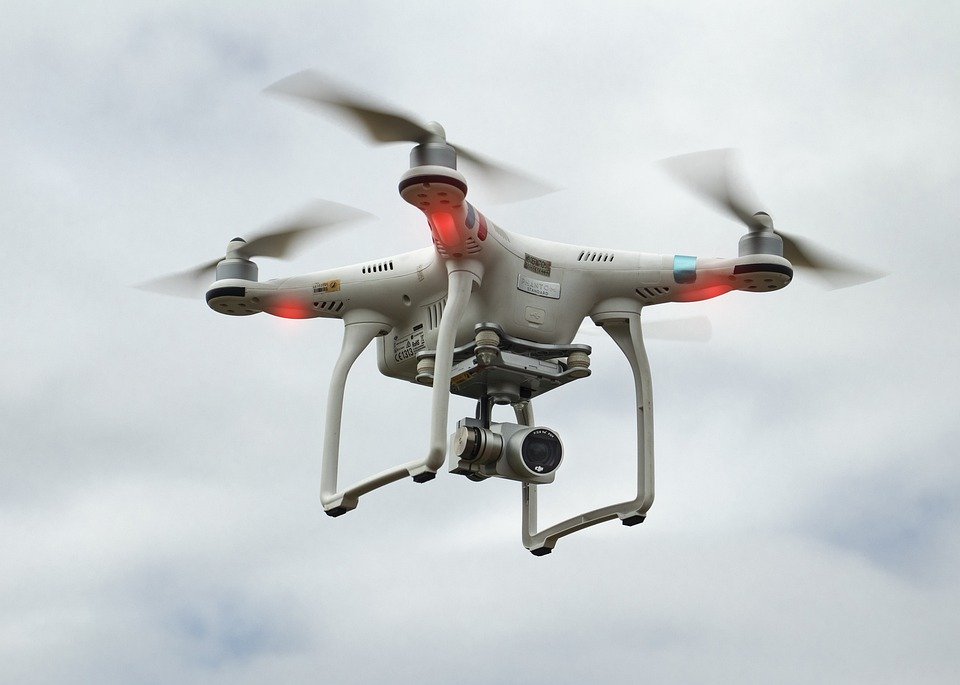

 The Mavic 2-pro machine is designed for content creators, and professional videographers and photographers. Furthermore, it has a portable, compact design, making it an excellent option for commercial drone pilots, documentary compilers, and travel bloggers. It has a long flight time of 30 minutes.